Ceramic Protection & Sealant Science
Differentiating premium waxes, polymer paint sealants, and modern silica-based glass coatings.
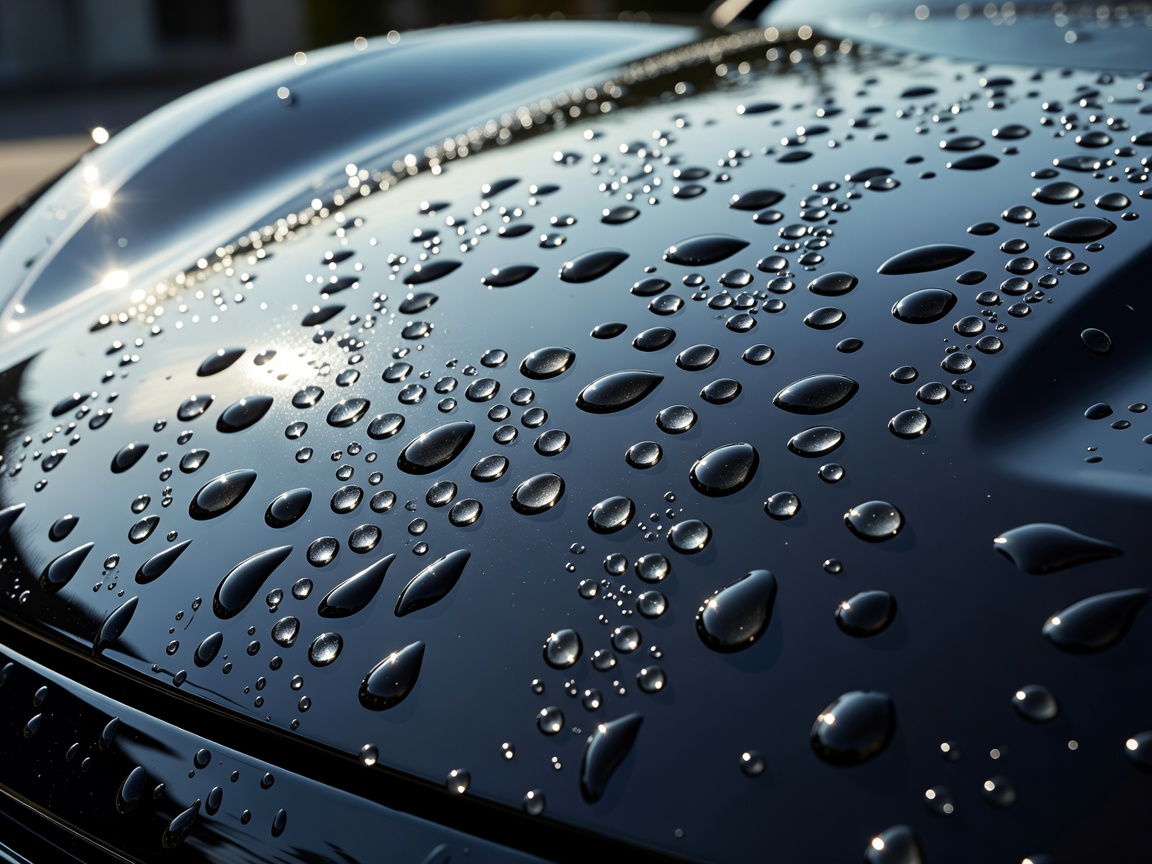
What ceramic coatings actually do
Ceramic coatings are liquid polymer products containing Silicon Dioxide (SiO2). Once applied, they chemically bond to your vehicle's factory paint lacquer, curing to create a thin, highly hydrophobic layer.
This barrier makes surface panels slick and repellent to rainwater and wet-road grime. Grime has difficulty adhering to the paint, which means washing your car is substantially quicker and easier during winter.
Coating Performance Variables
The true durability of any ceramic coating or polymer sealant layer depends on several factors:
Surface Preparation
If paintwork isn't chemically cleansed of tar, iron, and polish residues, the coating will fail to bond and peel off quickly.
Motoring Mileage
A vehicle driven 25,000 miles per year on wet motorways will wear down its hydrophobic barrier much faster than a garaged weekend car.
Wash Routine
Using highly alkaline pre-washes or contact brush washes can degrade the coating structure, shortening its useful lifespan.
Storage Conditions
Cars left outside in heavy tree sap zones, direct afternoon sun, and frost undergo continuous thermal cycles that impact sealant longevity.
Comparing Protection Methods
We help you choose the right surface protectant depending on your budget and maintenance capabilities.
Natural Carnauba Wax
Provides a warm, deep glow. Easily applied, but highly vulnerable to heat and road salt wash off. Typical lifespan is 2 to 3 months.
Synthetic Polymer Sealant
Cross-linking synthetic liquids. Offers solid protection against winter gritting salt and acidic rain. Typical lifespan is 4 to 6 months.
SiO2 Ceramic Coating
Semi-permanent liquid glass bond. Offers elite hydrophobic water sheeting, high chemical resistance, and dirt repellency. Typical lifespan varies from 1 to 3+ years depending on maintenance washing.